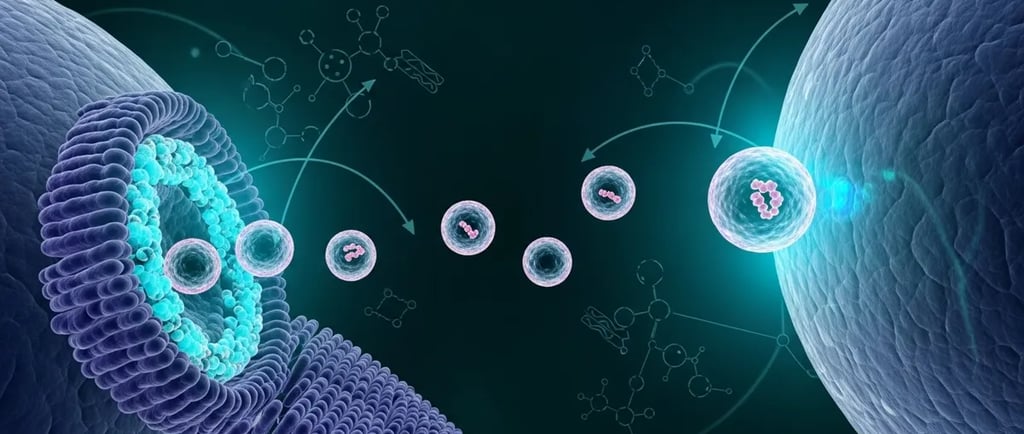
Scientists treated aged mice with exosomes, vesicles involved with cell communication, derived from human umbilical cord mesenchymal stem cells and observed significant improvements in liver function and metabolism. The treatment reduced fat buildup in the liver, lowered biomarkers associated with liver damage, and decreased cellular aging while boosting autophagy (the process cells use to remove damaged components). Researchers identified a protein called THBS1 as a key factor behind these benefits, as it activated a pathway that restored healthier liver function. While the findings are encouraging, the research has only been conducted in mice, so additional studies are needed before this approach can be tested in humans.
My Perspective: I think this research is exciting because it demonstrates that stem cell-derived exosomes could provide many of the benefits of stem cell therapy without transplanting entire cells. Although it's still in the early stages, these findings could eventually lead to safer and more targeted treatments for age-related liver diseases and other conditions linked to aging.
Read the full story →